
Case Study: Designing Cloud Security Monitoring for Enterprise Teams
Designed a cloud security platform that enables teams to identify, prioritize, and remediate issues across complex environments.
Users: IT Security & Cloud Ops
Focus: Data visualization, workflow design, remediation

A centralized “Policy Results” dashboard that helps security teams quickly assess compliance status, identify issues, and prioritize remediation across cloud environments.
Overview
Tripwire customers needed to monitor the configuration and security of cloud assets across AWS, Google Cloud, and Azure. Existing tools made it difficult to identify, prioritize, and act on issues across distributed systems.
I led UX design and research for Tripwire.io, a cloud security platform that transformed complex infrastructure data into clear, actionable insights for security teams.
ROLE
UX Designer, UX Researcher, UX Team Lead
TOOLS
Sketch, Balsamiq, Adobe Creative Suite
SKILLS
UX Design, UX Research, Information Architecture, Data Visualization, Workflow Design
Problem
Security teams struggled to interpret fragmented compliance data across cloud environments, making it difficult to identify critical issues and take timely action.
Key challenges included:
- Lack of clear prioritization of issues
- High cognitive load when scanning dashboards
- No clear path from issue → remediation
Key Design Innovation: Actionable Remediation
Shifted the experience from passive monitoring to active resolution by embedding remediation directly into the workflow.
This reduced the need for users to switch tools or interpret complex documentation, improving speed and confidence in resolving security issues.
Synthesized usability feedback into key themes that revealed gaps in clarity, navigation, and actionability.

Key takeaways:
- Users struggled with technical terminology
- Navigation and settings were difficult to locate
- Lack of clear actions after identifying issues
- Accessibility issues (contrast, readability)
Research & Insights
I conducted user interviews, usability testing, observational research, and competitive analysis to understand how security professionals monitor and respond to issues.
Key insights:
1. Users needed better prioritization of issues
Security teams were overwhelmed by large volumes of alerts without clear severity or context.
2. Context was critical for decision-making
Users needed to quickly understand what an issue meant and how to act on it.
3. Workflows were fragmented
Users had to navigate across multiple screens and systems to investigate and resolve issues.

Designing for Fast Issue Remediation
The core challenge wasn’t just visibility—it was enabling users to act quickly and confidently on critical issues. I focused on simplifying complex system data into structured, actionable workflows.
Key principles:
- Surface the most critical information first
- Provide clear context for decision-making
- Reduce navigation and workflow friction
- Support high-frequency, data-intensive tasks


Solution: A Unified, Actionable Security Platform
Designed a unified system that enables users to monitor, prioritize, and remediate security issues within a single workflow.
Unified Cloud Monitoring Dashboard
Designed a centralized interface that allowed users to monitor configuration issues across AWS, Google Cloud, and Azure in one place.
Issue Prioritization & Visibility
Created dashboards that organized issues by severity and importance, helping users quickly identify what required attention.
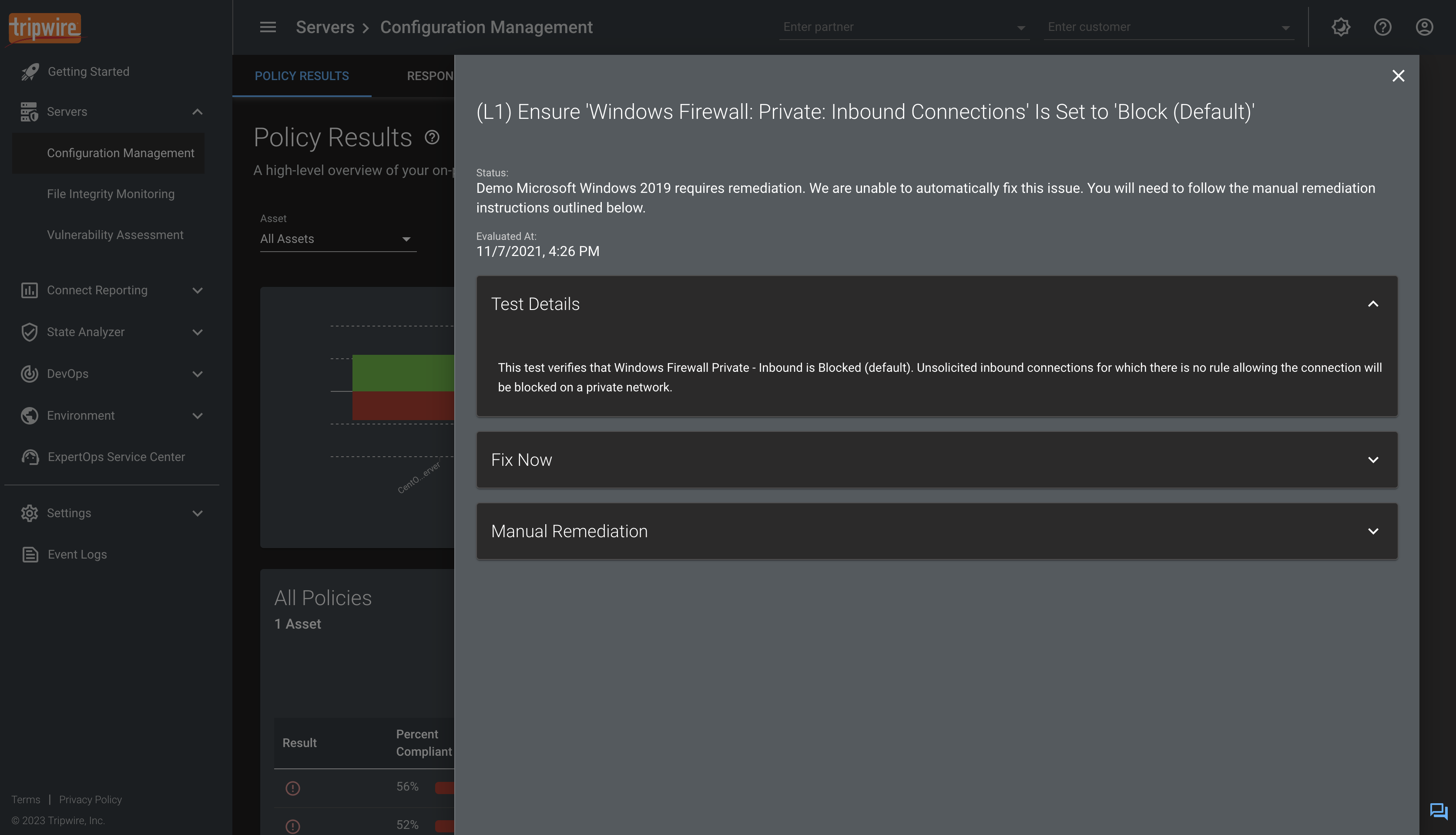
Contextual Issue Details
Designed an expandable details panel that provided:
- issue descriptions
- impact context
- remediation guidance
This reduced the need to navigate across multiple screens.
Iterative Workflow Improvements
Based on usability testing:
- Moved the issue details panel from bottom to side for better visibility
- Improved task flows for investigating and resolving issues
- Added light/dark modes to improve usability in different environments
Design Process
Work included:
- journey mapping and task flows
- wireframing and prototyping
- design sprints and collaborative workshops
- usability testing and iteration
These activities ensured alignment across product, engineering, and customer needs.
Collaboration
Worked closely with:
- product managers to define requirements and priorities
- engineers to align design with technical constraints
- customer support and sales teams to validate user needs
This collaboration helped ensure the product delivered real value to users.
Outcome
Previously, users had to interpret issues across multiple views and manually reference documentation. The new design consolidates this into a single, actionable workflow.
The redesigned experience led to:
- Reduced friction in issue remediation workflows
- Improved visibility into compliance status across environments
- Enabled faster identification and prioritization of security risks
- Increased usability through clearer data hierarchy and interaction patterns
The platform evolved into a more effective decision-support tool for security teams managing complex cloud environments. This work helped shift the product from a passive monitoring tool to an actionable decision-making platform.